
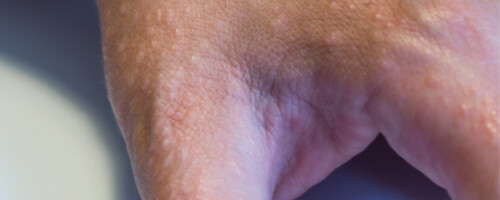
Why Adult Eczema Is More Than Just Dry Skin
Eczema is described as dry skin, but adults living with it know that it’s much more than that. Itching all night, cracking and stinging skin, stress and weather flare-ups can make showering, skincare and even washing your hands uncomfortable.
Adult eczema is a chronic inflammatory skin condition that affects the skin barrier, making the skin more sensitive to irritants, allergens, heat, sweat and friction. It may continue from childhood or appear for the first time in adulthood, commonly affecting the hands, face, eyelids, neck, arms or legs.
Eczema is more than dry skin
Dry skin may improve with regular moisturising and gentler skincare. Eczema also involves inflammation and changes to the skin barrier, which means moisturiser alone may not be enough during a flare.
Signs and symptoms of adult eczema
Eczema does not look the same for everyone. Eczema can look different depending on your skin tone and the area affected. It may appear red, brown, purple or greyish and feel rough, swollen, hot, itchy or painful. During a flare, the skin may crack, bleed, weep or crust.
| Signs | Symptoms |
| Dry, rough or inflamed patches | Persistent itching or discomfort |
| Cracked, bleeding or crusted skin | Stinging during showering or skincare |
| Thickened areas from scratching | An itch-scratch cycle that is difficult to settle |
| Eyelid or hand dermatitis | Difficulty with work or daily routines |
| Weeping or painful skin | Possible infection, seek medical review |
Adults can experience small patches that come and go, or develop widespread eczema that affects their sleep, work, exercise and daily comfort.
Why eczema is more than dry skin
Dry skin will usually improve with regular moisturising and gentler skincare. Eczema is different because inflammation, skin barrier changes and environmental triggers all contribute to the condition. That is why even products labelled for sensitive skin may trigger irritation during a flare.
Broken skin from scratching can also increase the risk of infection, making symptoms more painful and difficult to manage.
Another challenge that eczema can resemble several other skin conditions like psoriasis, fungal infections, scabies, rosacea, seborrhoeic dermatitis and allergic contact dermatitis. Persistent or recurring rashes should not be treated with trial and error for extended periods without a proper diagnosis and treatment from a dermatologist.
Common eczema triggers
Skincare and household products
Fragranced skincare, certain cosmetics, soaps, detergents and cleaning products may irritate your eczema and sensitive skin.
Weather and temperature
Hot weather, cold weather, low humidity, sudden temperature changes, heat and sweating can aggravate eczema.
Environment and materials
Pollen, dust mites and mould may contribute to flare-ups, as well as certain fabrics (particularly wool or rough materials) that irritate the skin.
Workplace exposure
Repeated hand washing, gloves, cleaning chemicals, hairdressing products, healthcare work and food handling can cause eczema to flare on the hands.
Stress and lifestyle
Stress, poor sleep and repeated scratching aggravate eczema. Your eczema may also worsen after prolonged exposure to chlorinated pools, hot spas or saunas, which can dry or overheat the skin.
Managing an eczema flare-up
Eczema care usually begins with protecting the skin barrier. This includes fragrance-free moisturisers, soap-free cleansers, shorter lukewarm showers and avoiding products that sting or irritate.
Applying moisturiser shortly after bathing can help reduce moisture loss. Keeping skincare simple and avoiding cosmetics or perfume during a flare can also make it easier to identify products that may be contributing to irritation.
If eczema is inflamed, these measures alone may not be able to provide enough control or relief. In these scenarios, one of our dermatologists may provide a treatment plan and prescription to help reduce inflammation, manage infection if present and control recurring flare-ups.
When to see a dermatologist for eczema
Ask your GP for a referral to Skindoc, Liverpool, to see a dermatologist if:
- Your eczema is not improving with moisturisers or prescribed treatment
- Flare-ups keep returning
- Your sleep is regularly disturbed by itching
- The rash affects sensitive areas such as the face, eyelids, hands or genitals
- The skin is widespread, painful, weeping, crusted or bleeding
- Symptoms are affecting your work, daily activities or quality of life
- You are unsure whether the rash is actually eczema
We will examine the affected skin, check for infection, consider other possible conditions and discuss personalised treatment options with you.
Patch testing may also be recommended if allergic contact dermatitis is suspected, especially when symptoms appear to be linked to skincare products, cosmetics, workplace exposures or recurring hand dermatitis.
Living with eczema
Eczema is usually a long-term condition with periods where symptoms improve and periods when they flare.
Though there may not be a permanent cure, many people are able to achieve good symptom control with an accurate diagnosis, trigger management and tailored treatment.
Regular review with your dermatologist can also help adjust treatment if your eczema changes over time or becomes more difficult to control.
Eczema care at SkinDoc in Liverpool
SkinDoc is a dermatology clinic providing medical dermatology care for patients across Liverpool, Bankstown, Fairfield, Campbelltown and South Western Sydney.
If you or your doctor suspect eczema, and you are not finding sufficient relief in your current management, request a referral to our team for specialist assessment and treatment options.
A referral from your GP is required before booking and helps keep your referring doctor informed to support your coordinated care.
Book your dermatology appointment
If eczema continues to flare despite moisturisers or over-the-counter treatments, or is affecting your sleep, work or daily comfort, book your appointment or get in touch with our friendly, professional team.
Call SkinDoc on (02) 9602 5785, email info@skindoc.com.au or use the online enquiry form.
References
Australasian College of Dermatologists. (Last updated Nov 2023). Atopic dermatitis (eczema). https://www.dermcoll.edu.au/atoz/atopic-dermatitis/
Eczema Support Australia. (n.d.). About eczema. https://www.eczemasupport.org.au/about-eczema/
National Eczema Association. (2026). Eczema by Body Part. https://nationaleczema.org/body/
*This article is for general information and educational purposes only. It is not a substitute for professional medical advice, diagnosis or treatment. All medical procedures and treatments carry risk and results vary. Consult with Dr Yip, MED0001134094, or the SkinDoc team for advice based on your individual skin concerns.